October 1, 2026
How to Fully Customize Your Branded Photo Booth Experience for Event Branding Success
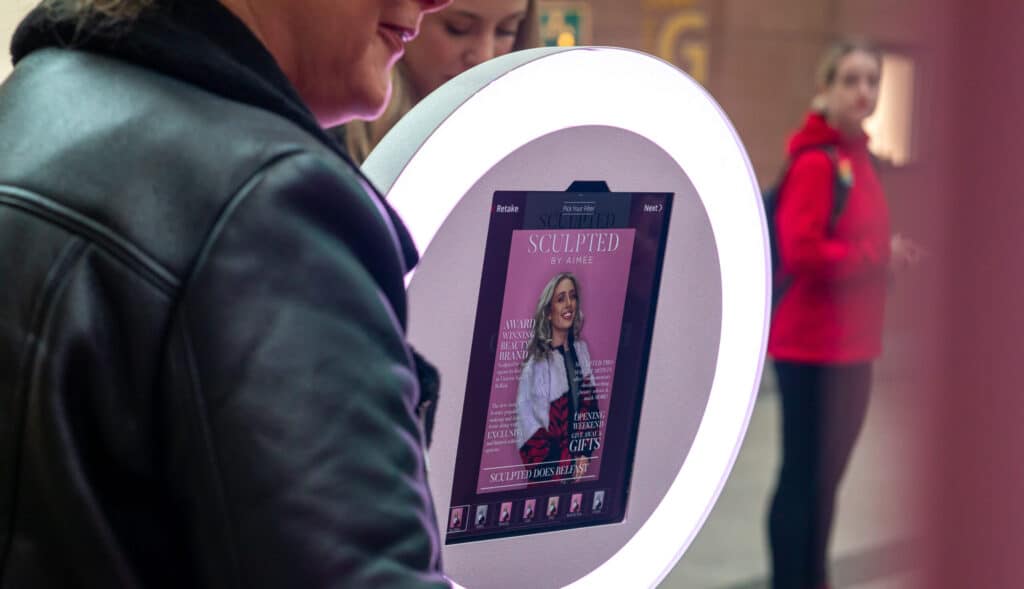
Picture your guests walking into a Washington DC event and spotting a photo booth that looks like it belongs there. The colors match the campaign, the screen welcomes them by name or theme, the backdrop pulls them in, and within seconds they are creating a photo or video they genuinely want to share.
That is what makes a branded photo booth experience different from putting a logo on a photo template. You are designing the entire guest journey, from the first thing people see to the content they receive and the action you want them to take afterward.
If you are planning a corporate event, product launch, conference, trade show, gala, fundraiser, or brand activation, the right customization can turn a photo booth into an engaging part of your event strategy. The key is knowing what to customize, what to leave simple, and how each decision affects the guest experience and your budget.
What Is a Branded Photo Booth Experience?
A branded photo booth experience is a photo or video activation designed around your brand, event theme, campaign, or business objective. Instead of customizing only the final image, you can shape the booth, choose creative backdrops, screens, content, props, sharing process, and calls to action.
That distinction matters because your guests experience the booth as a sequence rather than a single piece of equipment. A successful setup might start with an eye-catching display, guide guests through a quick interaction, produce branded content, deliver it instantly, and finish with a useful next step.
For a Washington DC corporate event, that next step could be scanning a QR code to learn about a product, joining a giveaway, booking a meeting, or simply sharing the branded content online.
If you are comparing customized photo booth experiences, look beyond the camera itself. Ask how much of the complete guest journey can be tailored to your event.
Decide What You Want Your Photo Booth to Achieve
Your objective should determine your customization choices. A booth designed to create social content needs a different setup from one designed to generate qualified leads at a conference.
For brand awareness, focus on strong visual recognition, easy participation, and content people want to share. For a product launch, connect the experience to the product through the backdrop, prompts, digital effects, or final call to action.
Lead generation requires a slightly different approach. You may want a quick form, QR delivery, a qualification question, or a prize entry, but collecting too much information can slow the line and discourage participation.
Before choosing features, write one clear objective:
“We want [audience] to [action or feeling] so that [desired outcome].”
That sentence can help you decide whether a particular upgrade supports the event or simply adds complexity.
Customize Every Part of the Guest Journey
A fully customized booth can extend far beyond a logo overlay. The strongest setups create visual and interactive photo booth consistency from the moment guests notice the booth to the moment they receive their content.
Start With The Visual Identity
Use your existing brand guidelines as the starting point. Your designer or booth provider may need your logo files, brand colors, fonts, campaign messaging, imagery, event name, date, and any required legal wording.
Think about one recognizable visual idea rather than covering every surface with your logo. A signature color, product shape, illustrated world, campaign phrase, or distinctive backdrop can make the experience recognizable without making every photo look like an advertisement.
Customize The Booth And Backdrop
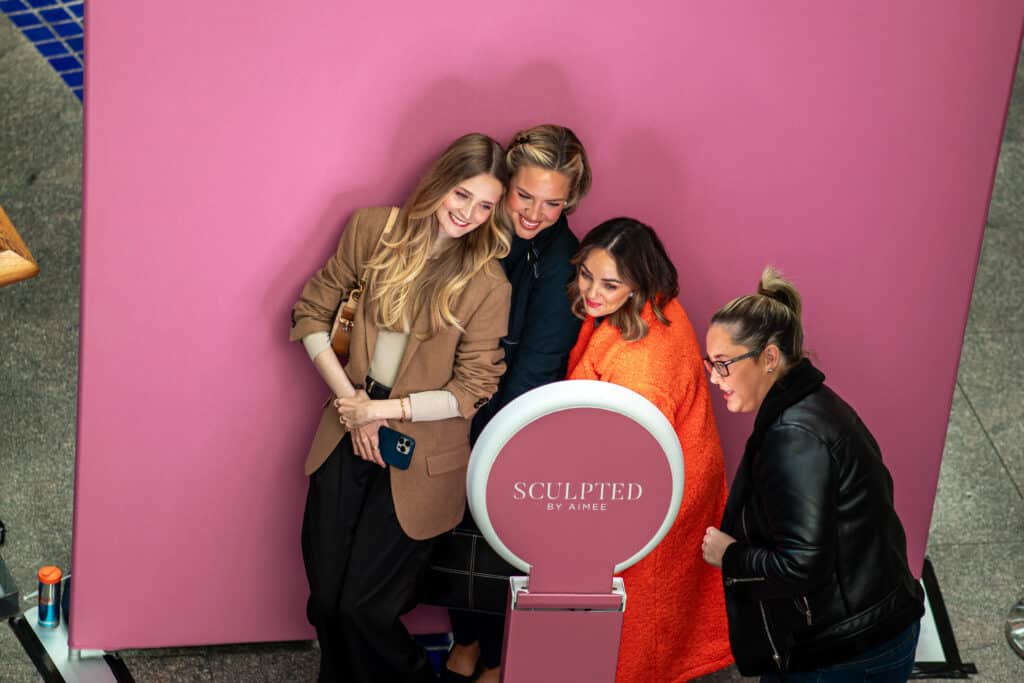
Physical branding can range from subtle to highly visible. You might use a small logo decal, a branded front panel, a partial wrap, a full wrap, or a custom-built enclosure.
Your backdrop is equally important because it becomes the setting for every capture. Fabric backdrops, printed scenic walls, tension fabric, dimensional sets, product-inspired installations, LED walls, and green-screen environments can all create different effects.
Before approving a backdrop, test it with the actual booth camera and lighting. A design that looks excellent on a computer screen can become difficult to read in a photo, particularly when guests stand close to the background.
Design The On-Screen Experience
Your touchscreen is another major branding opportunity. Customize the welcome screen, start button, countdown, instructions, prompts, review screen, delivery screen, and final call to action.
Keep the language short. Instead of asking guests to navigate a complicated branded experience, tell them exactly what to do:
- Pick your look
- Step in
- Pose
- Scan to get your content
A guest should understand the main action within a few seconds.
Make The Final Content Worth Sharing
Your photos and videos should look good enough that guests want to keep them. Depending on your event, you could use branded templates, animated overlays, GIFs, boomerangs, short vertical videos, green-screen backgrounds, AI transformations, magazine-style designs, or digital collectible formats.
For social content, vertical video can be useful because it fits common short-form formats. Keep branding visible without covering faces or turning the finished content into a billboard.
Choose The Right Booth Format
Your booth format should match your audience, venue, event traffic, and desired output.
An open-air booth works well when you want groups to participate together and you have a backdrop or scenic environment worth showing. A 360 booth can create a dramatic visual moment, but it needs appropriate floor space and careful guest management.
A digital or selfie booth can work well when speed and sharing matter most. AI experiences can add personalization, while a headshot booth may make more sense for a professional conference where polished portraits provide immediate value.
You do not necessarily need the most elaborate option. If your audience wants a beautiful photo and your event has limited space, a well-designed open-air setup may create a better experience than a complicated activation with too many steps.
Build A Fast And Enjoyable Guest Flow
A great concept can still struggle if guests have to wait too long or cannot figure out what to do. Design the journey around quick participation, especially if you expect heavy traffic at a conference, convention, or Washington DC brand activation.
Start by making the booth visible from a distance. Your attract screen, lighting, signage, or physical installation should tell people why they should walk over.
Once they arrive, reduce the number of decisions they need to make. One meaningful choice can be enough: choose a destination, product, mood, character, team, or visual style.
Content delivery should also be fast. QR codes, text messages, email, digital galleries, and prints can all work, depending on what you need from the activation.
If lead capture is part of the strategy, separate receiving the photo from optional marketing consent. Asking for a long list of personal details before giving someone their photo can make the experience feel like a form rather than entertainment.
What A Customized Photo Booth Costs
There is no single price for a branded photo booth experience because customization can range from a branded digital overlay to a complete physical activation.
Your quote may depend on the booth format, event duration, number of guests, staffing, backdrop or scenic build, booth wrap, printing, custom graphics, digital effects, AI features, data capture, delivery method, travel, and venue requirements. It is also worth asking about hidden fees, such as delivery and setup charges, overtime, travel, parking, additional design revisions, extra prints, extended gallery hosting, or last-minute changes.
When comparing quotes, look beyond the headline rental rate. Check whether design work, setup and breakdown, an attendant, printing, custom screens, digital delivery, gallery hosting, travel, and additional event hours are included. Ask the provider to outline any potential additional charges before you sign so you know exactly what the final cost could be.
For a large corporate activation, you may also need to account for custom software work, multiple booth units, branded kiosks, internet connectivity, CRM integration, or additional staff.
If your event is small and your primary goal is simply giving guests something fun to take home, you may not need a fully built activation. A customized template, attractive backdrop, and digital sharing may be enough.
Plan For Washington DC Event Conditions
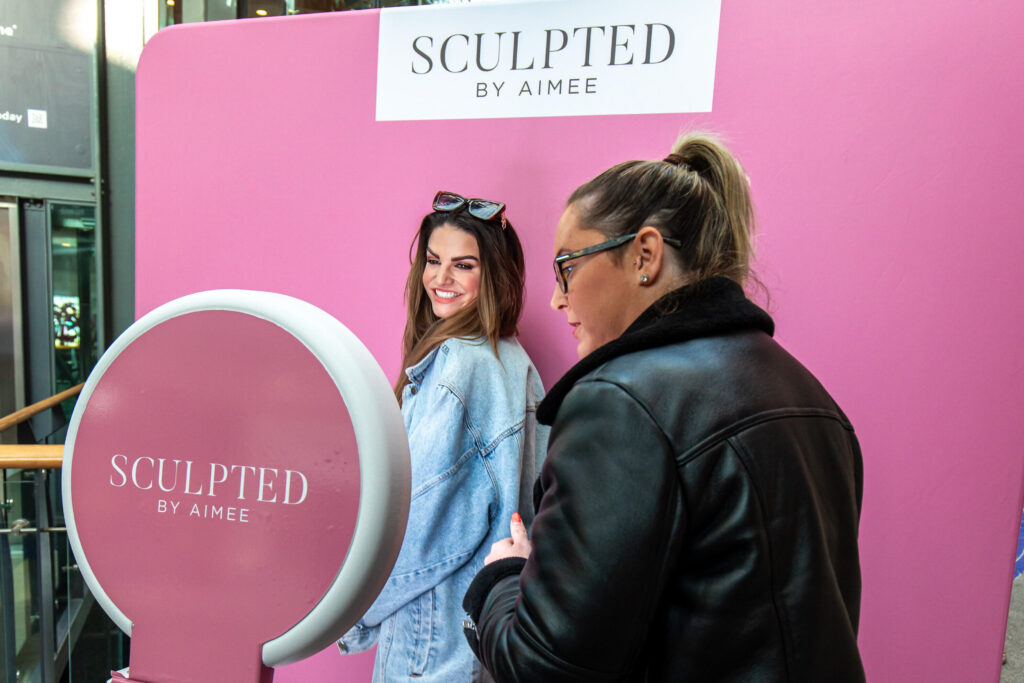
Washington DC events can take place in conference centers, hotels, corporate spaces, museums, rooftops, outdoor venues, and large public-facing activations. Your venue can affect the booth footprint, access route, power, internet connection, setup time, and guest flow.
Before booking, confirm where the equipment will be loaded in, whether elevators or loading docks are available, where power outlets are located, and how much space remains for guests to queue safely.
Outdoor events require additional planning for weather, direct sunlight, wind, uneven surfaces, and temperature. Indoor conferences may create different challenges, particularly when the booth is positioned near registration desks, presentations, or narrow exhibitor aisles.
Accessibility should also be part of the floor plan. Make sure guests can approach the booth comfortably, reach the necessary controls or receive assistance, and move through the area without blocked pathways.
Capture Data Without Making The Booth Feel Like A Form
Data capture can make sense when your activation has a measurable marketing objective, but you should collect only information you can use.
You might need a name and email address to deliver content, while a trade show activation could also benefit from one qualifying question. Keep marketing consent separate from the basic permission needed to receive a photo or video.
Your provider should also be able to explain where guest data is stored, who can access it, how long it is retained, whether third-party platforms receive it, and how the data can be exported or deleted.
If you use AI, tell guests that their image is being transformed and explain how the resulting content is handled. Clear expectations help protect trust while keeping the interaction straightforward.
Common Mistakes to Avoid
The details matter because a branded activation has to work for real guests in a real venue, not just look impressive in a design presentation.
- Overbranding the final content: Too many logos and messages can make guests less interested in sharing their images, so give the guest and the visual moment most of the attention
- Making the experience too complicated: Too many choices increase participation time and queues, so keep the main interaction focused on one clear idea
- Collecting excessive data: Long forms create friction and can reduce participation, so ask only for information that supports a defined purpose
- Skipping a technical test: Untested artwork, lighting, printers, QR delivery, or internet connections can cause problems on event day, so test the complete experience before setup
- Choosing a backdrop without testing it: Colors, reflections, text, and patterns can behave differently on camera, so test the actual booth and lighting together
- Ignoring guest flow: A booth placed in a narrow walkway can create congestion and safety issues, so plan the queue and cable routes before installation
- Forgetting the follow-up: Leads have less value when nobody knows what happens next, so prepare your delivery, CRM, and follow-up process before the event
Frequently Asked Questions
How Can You Fully Brand A Photo Booth?
You can brand the booth through its physical appearance, backdrop, touchscreen interface, photo templates, digital overlays, props, prints, gallery, and sharing experience. For a larger activation, you can also customize the guest journey, interactive prompts, AI effects, video content, and final call to action around a specific campaign.
What Events Work Well With A Branded Photo Booth?
Branded booths can work well at corporate conferences, trade shows, product launches, galas, fundraisers, employee events, retail activations, networking events, and private celebrations. They are particularly useful when you want guests to participate in an experience while creating visual content connected to your event or campaign.
Can A Photo Booth Collect Leads?
Yes, a photo booth can incorporate lead capture through forms, QR codes, email delivery, SMS delivery, surveys, or prize entries. The best approach keeps data collection short and clearly explains why information is requested. Marketing consent should be presented separately when required rather than being hidden inside the content-delivery process.
Is A 360 Photo Booth Better For Branding?
A 360 booth can create highly visual content and attract attention, but it is not automatically the right choice for every branded event. You need enough space, good guest flow, suitable lighting, and a concept that benefits from movement. A simpler booth can be more effective when speed, prints, or group participation are the priority.
How Much Does A Branded Photo Booth Cost In Washington DC?
The cost depends on the booth type, event duration, customization, staffing, printing, backdrop, technology, guest volume, and venue requirements. A basic customized setup will generally involve fewer production costs than a fully built activation with custom scenery, advanced effects, multiple staff members, or data integration. Request a detailed quote based on your event.
How Far In Advance Should You Plan A Branded Photo Booth?
For a customized corporate activation, start planning as early as practical so there is time for creative approvals, artwork, physical production, testing, venue coordination, and contingency planning. Larger builds or events with multiple stakeholders need more lead time than a standard booth with a custom photo overlay.
Turn Your Event Into A Branded Experience
Your next step is to define the guest experience you want before choosing the equipment behind it. When every detail has a purpose, your photo booth can support the event atmosphere while giving guests something they genuinely want to engage with and share.
At GlitzIQ, we create branded photo booth experiences designed around your event, audience, and visual direction. Our customized solutions can bring together professional equipment, branded overlays, interactive screens, digital sharing, and personalized creative details so the booth feels connected to the event rather than added as an afterthought.
Whether you are planning a corporate event, product launch, gala, conference, or brand activation in Washington DC, our team can help you shape the right combination of materials, technology, visuals, and guest interaction for your goals. Contact us to start planning your customized photo booth experience.